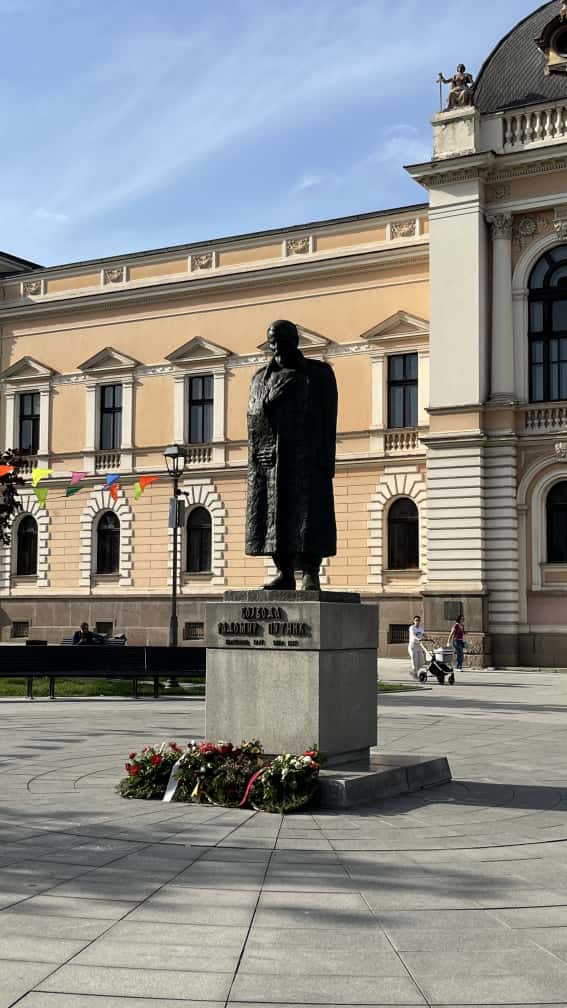
About Kragujevac
Kragujevac (Serbian Cyrillic: Крагујевац) is the fourth largest city in Serbia and the administrative center of the Šumadija District. Located along the Lepenica River and surrounded by the Rudnik, Crni Vrh, and Gledić mountains, the city is known for its rich cultural heritage, strategic location, and historical significance.
According to the 2011 census, Kragujevac has a population of 179,417 residents.
History of Kragujevac
Origin of the Name
The name Kragujevac comes from the old Serbian word “kraguj”, referring to a type of hawk once common in the region. The meaning—“hawk’s nesting place”—symbolizes strength and vigilance.
Today, the hawk remains an integral symbol on the city’s coat of arms.
Ancient Settlements
More than 200 archaeological sites in the Šumadija region show that settlements existed here as early as 40,000 years ago, during the Paleolithic era.
The earliest written record of Kragujevac appears in an Ottoman Tapu-Defter (land registry) from 1476, where it was listed as the “village of Kragujevdza.”
Early Modern Kragujevac
Throughout the 16th and early 17th centuries, Kragujevac changed hands several times between the Ottoman Empire and the Austrian Empire.
A major turning point came in 1815, when the city was liberated during the Second Serbian Uprising. Just three years later, in 1818, Prince Miloš Obrenović declared Kragujevac the capital of the new Serbian state.
During this period, Kragujevac became a center of political, cultural, and educational development:
1835: The first Serbian Constitution was proclaimed here.
1870: Serbia’s first law on printing was passed in Kragujevac.
The city was home to Serbia’s first grammar school, first pharmacy, and first printing press.
The establishment of the Cannon Foundry in the mid-19th century marked the beginning of rapid industrial and economic growth for the city.
Kragujevac in the 20th Century
During World War I, Kragujevac again served as the capital of Serbia (1914–1915), hosting key state institutions including the Supreme Army Command.
Between the two World Wars, the city continued to thrive as a cultural, political, and industrial hub, becoming home to the largest automobile industry in the region—employing tens of thousands and gaining global recognition.
World War II Tragedy
The most tragic chapter in Kragujevac’s history occurred on 21 October 1941, when hundreds of civilians—many of them schoolchildren—were executed during mass shootings.
To honor the victims:
A Memorial Park was established across 352 hectares.
The “21 October” Museum stands at the entrance, dedicated to preserving the memory of those who lost their lives.
This memorial area is now one of the key symbols of the city.
Modern Kragujevac
Today, Kragujevac is a dynamic and welcoming city known for:
steady economic development,
growing business opportunities,
cultural vibrancy, and
a strong academic community.
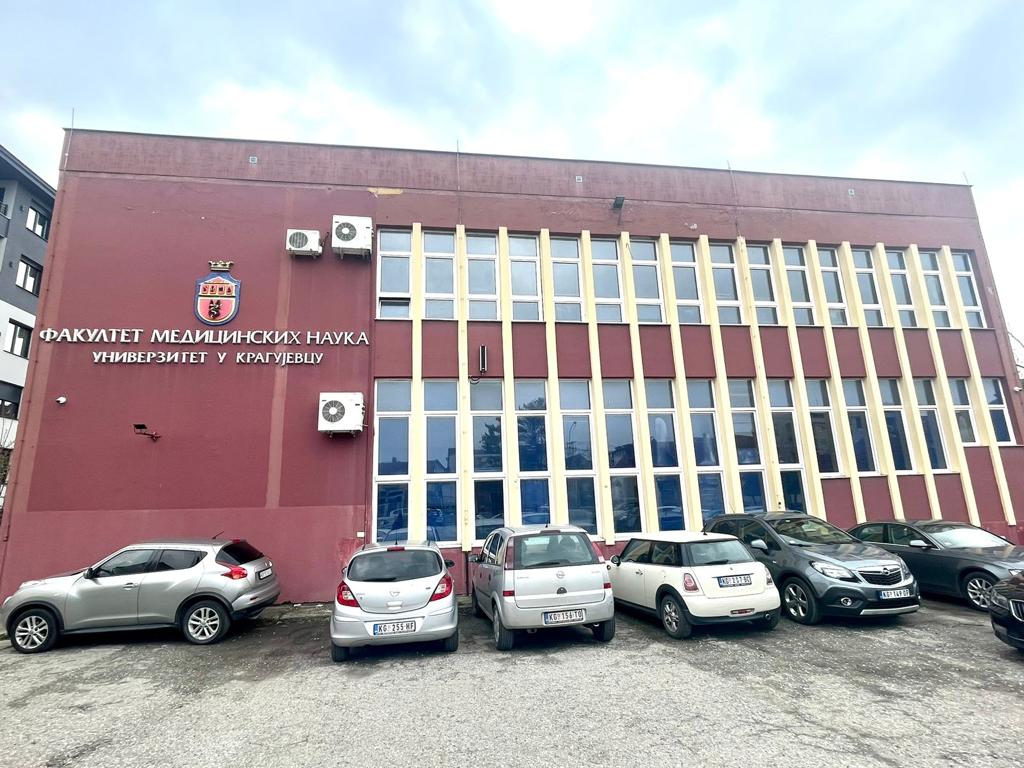
The city is home to the University of Kragujevac, one of Serbia’s most important higher education institutions. With 12 faculties and over 18,000 students from Serbia and abroad, it positions Kragujevac among the leading university centers in Southeast Europe.
Kragujevac continues to attract young professionals, entrepreneurs, and international visitors, making it a modern, progressive city while preserving its historical depth.